The thinking behind the format, the cast, and where the lessons actually come from. The short version, the honest version, the only version I know how to write.
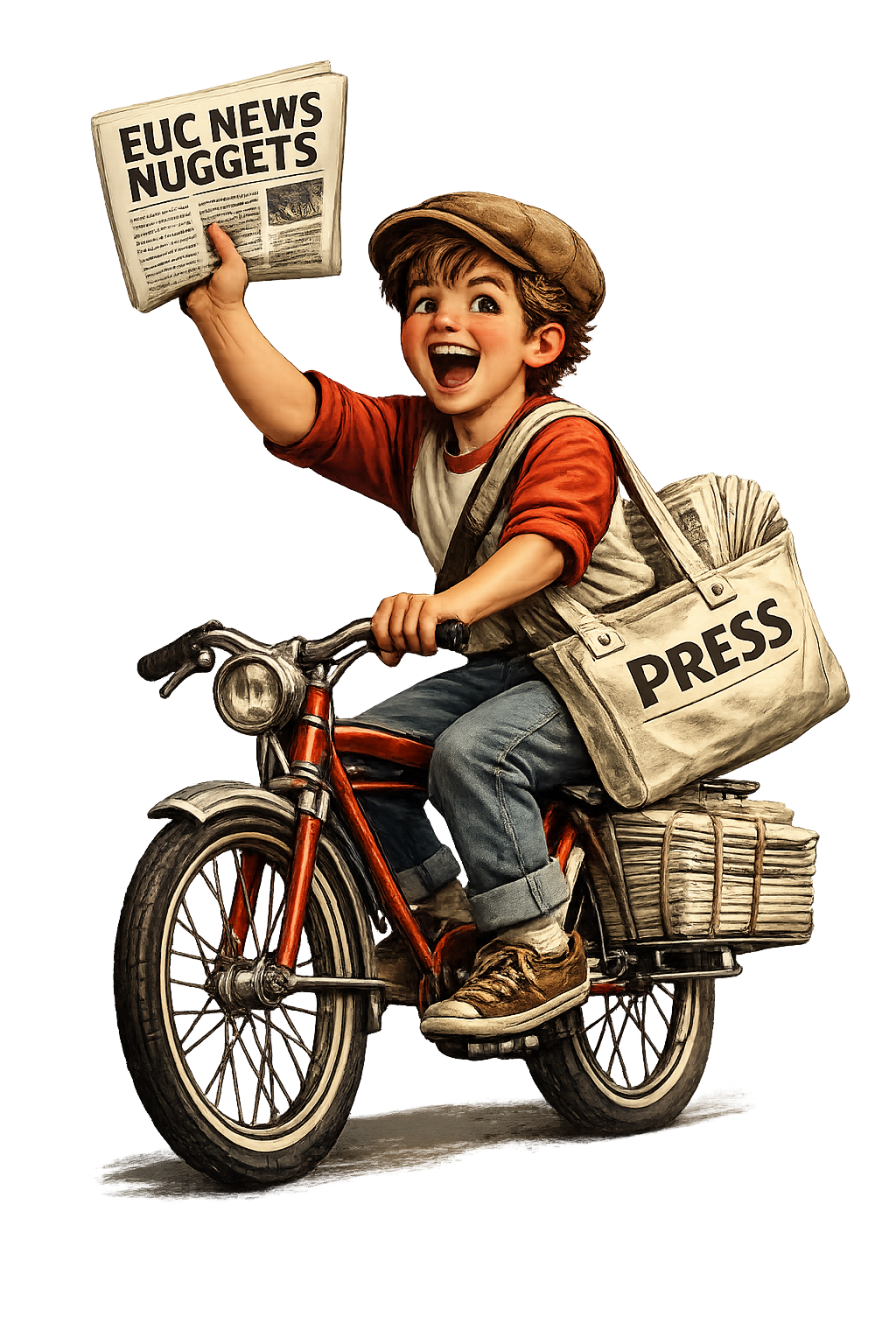
This whole site, the Library, the Nuggets, the Press section, is one thing: an attempt to make learning useful again. Short reads, short listens, short shadow on your day. Nothing 90 minutes long, nothing padded to feel comprehensive, nothing pretending to be a course. Take the bit that matters, ship it tight, get out of your way.
And this isn't just a hunch. The research has been stacking up for years. Meta-analyses across dozens of studies show significant retention gains from microlearning, with industry numbers landing in the 25 to 60 percent improvement range and completion rates pushing 80 percent. Short, dense, repeatable wins. The science caught up with what your calendar already knew.
Three places to land if you came here for content. The Library is the reading pile: microlessons, cheat sheets, whatever shape the topic needs to land in a short read. Dense, useful, written like notes you'd actually keep. Nuggets is the audio side, a short podcast on Spotify, five to ten minutes per episode. Press is the longer pieces, the deeper writes, for when a topic deserves more than a couple of pages.
Then there's the Cast, which is the page that explains who writes and who reads, because there are two voices here and you should know which is which. Same standard across all four. The format changes; the rules don't.
None of this is theoretical. The lessons come from real engagements, real cloud workspace projects, real things that broke, and real fixes that held. Plenty of it is about the platforms you actually work with day to day: Azure, Windows 365, AVD, Intune, Nerdio, and whatever else the modern workspace stack pulls in next. New product launches, new approaches, new gotchas, the kind of thing you find out by doing instead of reading the docs.
And then there's the back catalogue. Twenty-six plus years in the field, four books written along the way, all of it sitting on shelves and in repos waiting to be useful again. Some of these lessons are reworked from those pages, trimmed and rewired so the part that matters lands in five to ten minutes instead of three hundred.
Goal stays the same throughout: learn it fast, apply it tomorrow.
Every word starts with me. I write the lessons, pick the topics, decide what goes in and what gets cut. Finn, the voice on the audio side, is AI-generated. Openly. No narrator-persona theatre, no pretending he's a real person on the other side of a mic.
You'll hear me too. Not on every episode, but here and there: intros, the occasional addition, episodes where my voice belongs in there instead of his. We figure that out per drop, no schedule, no rule. More on who does what at the Cast page.
Finn does the bulk of the reading because he does it well, clearly, and quickly. All three matter. Clear and consistent means the lesson lands the same way every time, no off-day takes, no rushed reads. Quick means more episodes can ship, more lessons can go live, and more of you can listen on your own time without me booking a studio between meetings. The trade is honest: you get audio you'd otherwise wait months for, and I get to keep writing instead of recording.
Most days don't leave a ninety-minute window open for learning. They leave eight. Sometimes five. Sometimes a podcast slot while you walk the dog or sit in traffic. This is built to fit those gaps. Small lessons, dense ones, written or read so the part that matters lands before your next meeting starts. Everything here is free to read and listen to forever. No login. No funnel. No upsell. If something saves you a meeting or unstucks a project, that's the whole point.
Disclaimer: my day job is Principal Learning Architect at Nerdio, and I love it enough that their world shows up across this whole library. The library itself is still personal. My time, my name, my opinions. No PR queue, no internal review, no corporate hat on the byline. Two operations running side by side, both on good terms, both clearly labelled.